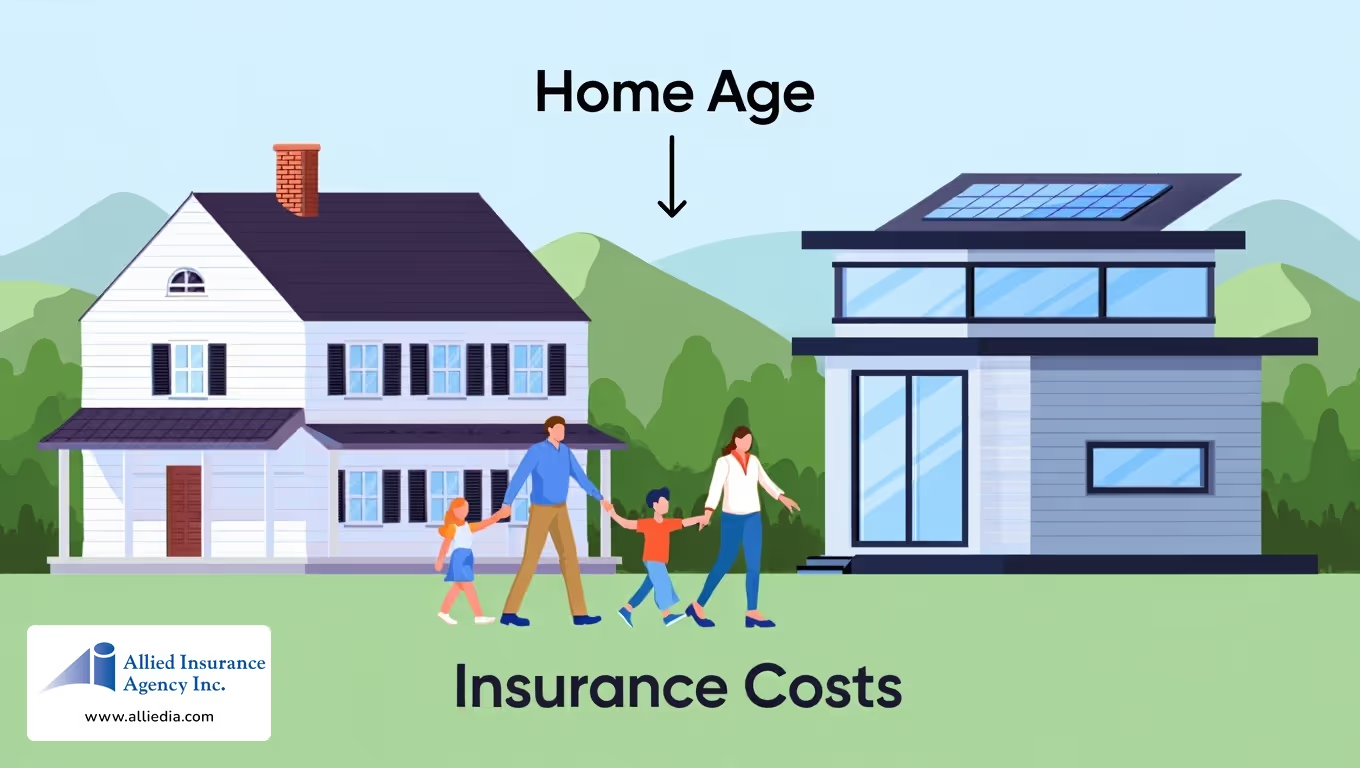
Why Your Home’s Age Affects Insurance Costs in New Hampshire
Allied Insurance Agency explains how a property's vintage shapes coverage and premiums across Concord, Bow, and Hooksett. In this state, average homeowners insurance runs roughly $1,033–$1,200 per year, below national levels, yet local factors change the final rate.
Age is more than a number. It signals likely risks, repair complexity, and whether systems meet current building codes. Older properties often show wear in roofs, plumbing, or wiring, which raises water and fire exposure.
Replacement cost estimates matter most for older structures. Specialty materials and skilled labor can drive up rebuilding value and affect policy limits, deductibles, and endorsements like ordinance or law.
Winter severity in this state increases snow, ice-dam, and freeze hazards for all properties, and those hazards can hit older systems harder. Independent, local guidance helps homeowners balance protection with budget and avoid coverage gaps.
Key Takeaways
- Property vintage influences likelihood of loss and premium calculations.
- Older dwellings may need higher replacement estimates and special endorsements.
- Code compliance and system updates often lower risk for newer builds.
- Winter weather in the state raises exposure for every policyholder.
- Independent local agents provide tailored guidance across Concord, Bow, and Hooksett.
- Contact Allied Insurance Agency for a free homeowners insurance quote to check for age-related gaps.
What “Home Age” Really Means for Insurance Pricing in New Hampshire
Insurers treat a property's build year as a shorthand for likely wear and repair needs. That single datum feeds models for replacement value, loss probability, and underwriting restrictions.
How insurers translate years into risk, repair cost, and replacement cost
Years since construction act as a proxy for system lifespan, material wear, and code vintage. Underwriters flag pre-1980 wiring, older plumbing, and legacy roofing as higher risk. Valuations focus on replacement cost, not market price, so historic finishes or specialty materials can raise reconstruction estimates.
Why older vs. newer construction trends matter across the Granite State
- Roof and winter performance: roof type and condition shape ice-dam and interior water loss expectations.
- Materials and weatherization: frame versus masonry, insulation levels, and storm hardening affect winter claims likelihood.
- Policy fit: endorsements like ordinance or law become more relevant when a property must meet current codes after a loss.
They should review update timelines for roofs, plumbing, electrical, and heating before quoting. Well-documented upgrades often improve insurability and pricing, while deferred maintenance can limit options.
For context on average pricing and options, see average homeowners pricing.
Snapshot of New Hampshire Homeowners Insurance Costs Today
Across the state, typical annual premiums sit well below national averages, though local factors create variation. Residents generally pay between $1,033 and $1,200 per year, a figure that ranks the area as more affordable than most U.S. markets.
Current statewide averages and comparison to national trends
The average cost range equals roughly 44%–61% below national levels. Material and labor inflation remain upward pressures that can nudge insurance rates over time.
City examples: Manchester ~ $1,200 and Nashua ~ $1,125. Municipal fire protection, distance to services, and local claims history drive these differences.
What a typical policy includes
A modeled policy often uses a $250,000 dwelling limit, $125,000 for personal property, $200,000 liability, and a $1,000 deductible. Frame construction and common roof compositions are typical in rating profiles.
- Dwelling: replacement-limit focus
- Personal property: set percent of dwelling
- Liability: protects assets and legal costs
- Deductible: higher deductible lowers premiums but raises out-of-pocket risk
Coverage choices often affect premiums more than other variables except location. Contact Allied Insurance Agency for a free N.H. homeowners insurance quote to compare options tailored to local housing types and budgets.

home age insurance costs new hampshire: Key Factors That Move Your Premium
Several clear variables drive what a homeowner pays each year for protection, and some matter far more than the build date. Underwriters weight each input, then score risk for policy offers and rates.
Age, construction materials, and roof type
Property details rank third in influence. Wood framing, older plumbing, and roof composition feed replacement-cost models and winter loss likelihood. In snowy climates, roof design affects ice-dam and water claims.
Location, coverage choices, credit, and claims
- Coverage selections (limits and deductibles) often change premiums more than property details.
- Proximity to fire services and town loss patterns shifts local rates.
- Credit and a clean claims history also matter—credit swings can change premiums up to 56%, while prior claims may raise pricing up to 22%.
- Provider pricing varies widely; an independent agent compares multiple policies to match risk and budget.
Documenting upgrades—roof, wiring, plumbing—helps underwriting and may lower offers. Periodic re-shopping pays off after major updates or credit-score gains.
How Aging Home Systems Drive Risk and Cost
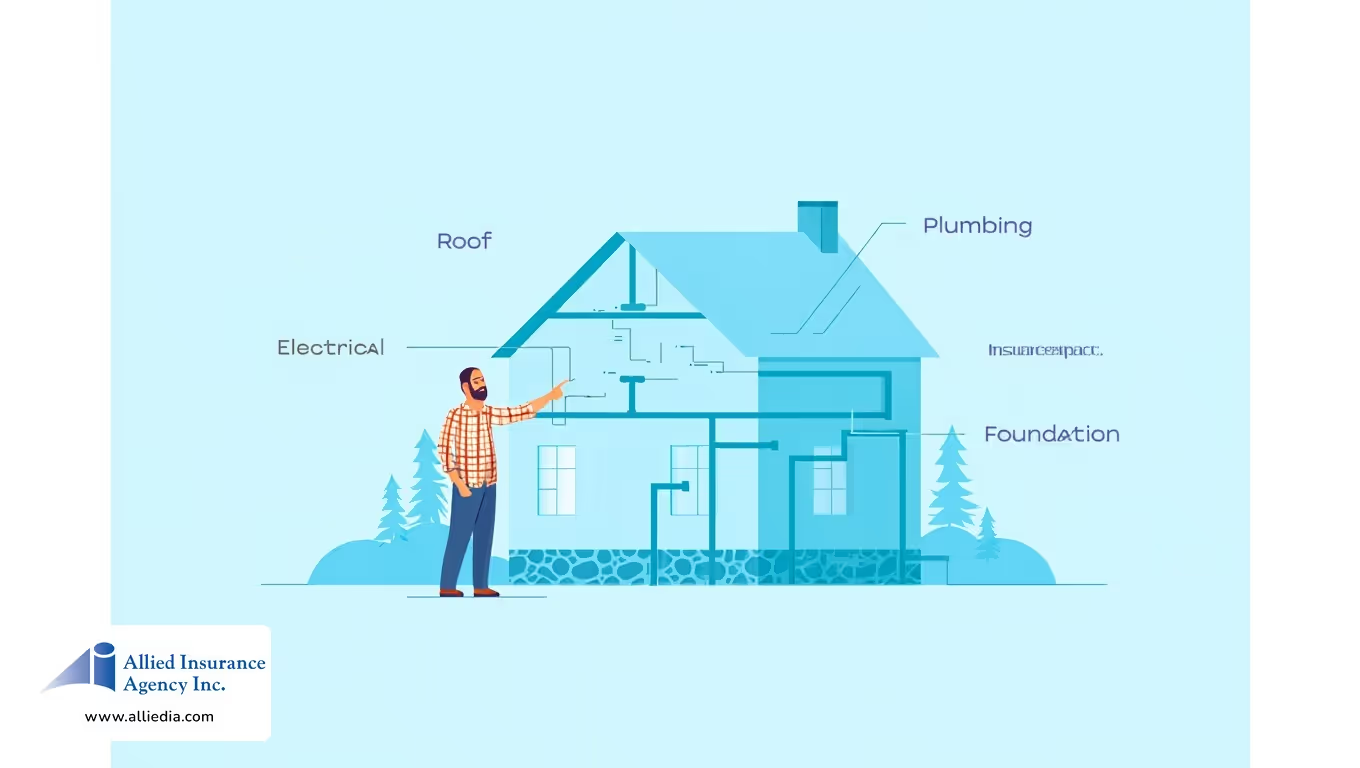
A home's mechanical systems drive much of the real risk an underwriter evaluates. Condition matters more than build date when winter storms and freeze events occur.
Roofs and snow performance
Roof types have different lifespans: asphalt shingle roofs often last 20–30 years, metal and slate much longer. In new hampshire, heavy snow and freeze‑thaw cycles speed wear and raise the chance of water intrusion and ice‑dam damage.
Routine inspections, prompt shingle replacement, and ice‑dam preventative steps lower claims and improve coverage options for older homes.
Plumbing and electrical vulnerability
Legacy plumbing like galvanized or polybutylene increases leak frequency and water damage severity. Old electrical systems — fuses, knob‑and‑tube, or limited amp service — raise fire risks and may limit carrier appetite.
Foundation, insulation, and weatherization
Poor insulation and foundation issues lead to freeze‑related pipe bursts and repeated losses. Air sealing, added insulation, and heat tape reduce winter damage and make a property easier to insure.
- Proactive upgrades: replace end‑of‑life systems before failure.
- Document work: update records to broaden carrier options and get better coverage.
- Tailored endorsements: choose limits that protect against water, ice, and collapse exposures to safeguard the dwelling.

Coverage You May Need More Of as Homes Get Older
Older properties often need different limits and endorsements to match their construction and finishes. A careful review ensures the policy reflects specialty trim, plaster work, and custom carpentry common in vintage builds.
Dwelling valuation and replacement cost
Dwelling coverage must reflect full replacement cost, not market value. Carriers often rate a typical example at $250,000 dwelling with a $1,000 deductible, but unique materials can raise rebuild costs.
Personal property valuation
Choose replacement cost over actual cash value for personal property when possible. ACV lowers payouts for older items and can leave owners undercompensated as retail prices rise.
Liability and medical payments
Review liability coverage and medical payments limits. Slippery steps and guest injuries on older porches increase exposure; $200,000 liability is common but may be low for some households.
Inflation guard and ordinance or law
Inflation guard keeps dwelling limits aligned with rising labor and materials. Ordinance or law coverage pays for required code upgrades after a covered loss.
- Itemize high‑value items and schedule valuables to avoid sublimits.
- Balance higher deductibles against winter water and ice risk.
- Document renovations—an independent NH agent can tailor coverage to the property's systems and history.
Local Lens: Concord, Bow, and Hooksett Market Nuances
Local building trends and municipal services shape how insurers view risk in Concord, Bow, and Hooksett. Small differences in property vintage and nearby resources change coverage options and rates.
Concord
Concord's older stock and historic details often raise replacement estimates. That makes ordinance or law coverage and higher dwelling limits worth considering.
Proximity to downtown fire stations and hydrants can improve pricing compared with rural edges.
Bow
Bow features many recent subdivisions built to modern codes. Updated roofs and systems may qualify for meaningful discounts.
Mitigation — alarms and automatic water shutoffs — can further lower premiums when documented.
Hooksett
Hooksett's mixed neighborhoods demand individualized reviews of roofs, wiring, and plumbing. Tailored policies fit each property's condition.
- Review replacement cost and endorsements regularly as building prices change.
- Document maintenance and upgrades to show a stronger risk profile when quoting.
- Compare deductibles and coverage tiers to balance budget and protection.
Contact Allied Insurance Agency for a free N.H. homeowners insurance quote and a local review of coverage for your dwelling and property needs.
Weather and Seasonal Risks That Amplify Age-Related Exposures
Harsh winter weather concentrates stress on older structures and their systems. Snow loads, ice accumulation, and repeated freeze‑thaw cycles increase the chance of roof leaks and collapse. Insurers generally cover winter perils, but separate flood policies are needed for external inundation.
Winter storms, ice dams, and snow loads on aging roofs
Aging roofs shed less snow and develop ice dams that force water under shingles. That leads to interior water damage and mold if not fixed quickly.
Pre‑winter roof inspections, gutter cleaning, and improved attic ventilation help reduce claims and may qualify homeowners for discounts on policy pricing.
Spring melt, drainage, and when separate flood insurance is needed
Spring thaw can push water toward foundations. Standard policies typically cover seepage from plumbing or roof failures but exclude river or surface flood.
Residents near rivers or low slots should review FEMA maps and First Street Risk tools and buy flood coverage early—most plans have a 30‑day waiting period.
Loss of use considerations during extended repairs
Severe winters lengthen repair timelines when contractors are busy. Loss of use limits should reflect possible weeks or months of displacement.
- Document preventative work to support underwriting and potential discounts.
- Review dwelling and personal property limits annually for severe‑weather gaps.
- Address liability exposure from icy walkways to reduce slip‑and‑fall claims.
Smart Ways to Keep Premiums Manageable as Your Home Ages
Smart maintenance and coverage choices let owners curb rising premiums without sacrificing protection. An independent agency view focuses on fixes that lower risk and on coverage that fits true replacement needs.
Right-sizing coverage and deductibles
Match limits to replacement value to avoid overpaying while preventing underinsurance. Higher deductibles can lower premiums, but balance savings against realistic out-of-pocket ability.
Mitigation upgrades that pay off
Timely roof replacement, monitored alarms, and smart water shutoff valves earn credits from carriers. Weatherization — insulation, air sealing, and better attic ventilation — reduces freeze and ice-dam claims and improves rates.
Bundling, payment tactics, and common discounts
Bundling home and auto policies delivers measurable discounts and simplifies billing. Annual or EFT payments often avoid installment fees and may qualify for small savings.
- Document upgrades and keep a clean claims history to support better offers.
- Shop periodically with an independent agent to find best carriers and discounts.
- Review inflation guard and ordinance or law so limits stay realistic after a loss.
Price Drivers You Can Influence Versus Those You Can’t
Some price drivers respond to a homeowner's effort; others reflect broader market forces beyond local control. Understanding which is which helps owners focus on practical steps that lower risk and stabilize premiums.
Updates, records, and minimizing claims
Controllable factors include timely roof, wiring, and plumbing upgrades. Documenting receipts and permits improves underwriting outcomes.
- Replace end‑of‑life systems and keep dated records.
- Choose higher deductibles for small losses to limit claim frequency.
- Install mitigation devices—alarms, monitored shutoffs, better ventilation.
Credit behavior also matters: improved scores can unlock better tiers, while frequent claims raise rates—data shows claims history can raise premiums up to 22%.
Market-wide forces and state-level trends
Uncontrollable drivers include regional construction inflation, severe weather patterns, and regulatory changes that influence base rates. These shift market pricing even for low‑risk properties.
- Rising material and labor costs push replacement estimates upward.
- Severe winters increase claim frequency across many homes.
- State rules and filings affect how carriers set rates.
Independent New Hampshire insurance agents help separate changeable levers from fixed drivers, recommend coverage tweaks, and suggest an annual review to keep policies aligned with evolving risk and rates.
How an Independent New Hampshire Agency Helps You Compare and Decide
A neighborhood agency blends multiple pricing models, local claims data, and practical advice to help owners choose the right policy for their property.
Clarifying coverage needs, reviewing limits, and identifying savings
Assess replacement cost accuracy. Independent advisors review build materials and specialty finishes to align dwelling limits with real rebuild value, especially for older or unique construction.
Compare valuation methods. They evaluate replacement cost versus actual cash value for both dwelling and personal property to reduce gaps at claim time.
Find savings without sacrificing protection. Agents identify bundling opportunities (including auto and home auto), mitigation credits, and deductible tweaks that can lower premiums while keeping core coverage intact.
Local advocacy from quote to claim across Concord, Bow, and Hooksett
Allied acts as an advocate when claims arise, documenting system failures tied to vintage components and guiding ordinance or law endorsement uses.
- Local market insight on services, flood risk, and municipal trends.
- Help with NFIP timing and the 30-day waiting period for flood plans.
- Ongoing policy reviews as codes and construction costs change.
- Transparent trade-off explanations so homeowners can make informed decisions.
- Bring maintenance records and upgrade lists to strengthen underwriting presentations.
Allied Insurance Agency serves as an independent, local partner that compares options and defends clients through quoting and claims. Contact Allied Insurance Agency for a free New Hampshire homeowners insurance quote.
Conclusion
A clear wrap-up helps owners turn understanding into practical coverage decisions.
Property age shapes risk, replacement complexity, and needed endorsements in a winter‑prone state. With an average cost near $1,033–$1,200 annually, right‑sizing limits matters more than chasing the cheapest quote.
Audit dwelling coverage, personal property coverage, and liability coverage to match today's rebuild and lifestyle realities. Add inflation guard and ordinance or law endorsements for older builds to avoid shortfalls after damage.
Improve credit, document maintenance, and limit claims to stabilize rates and premiums. Use bundling and targeted discounts to reduce expense without weakening core protection.
For a tailored review and a localized quote, consult an independent N.H. local insurance agent and see a practical guide at how much homeowners insurance you need.